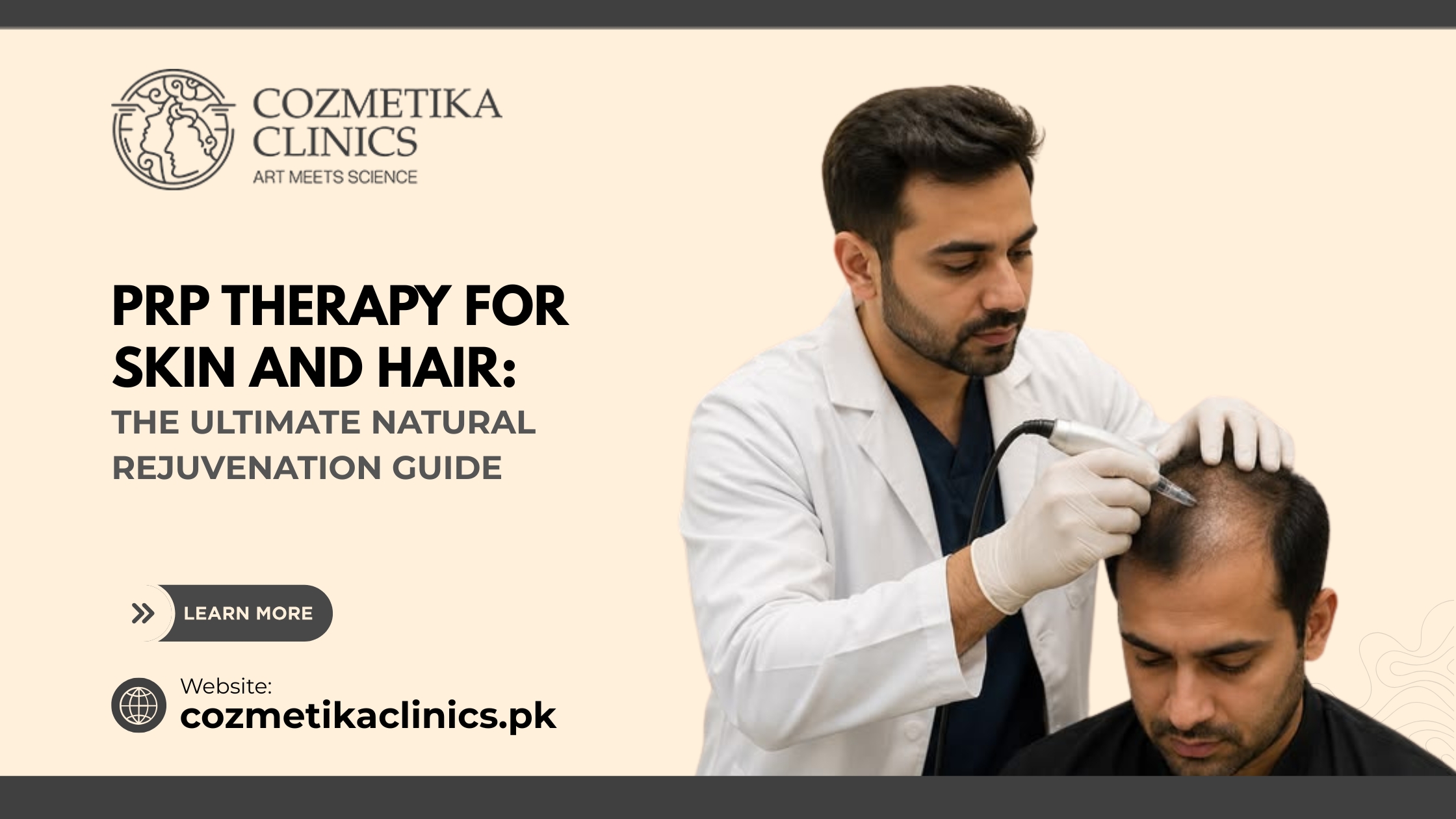
A hair transplant is not an instant transformation; the results unfold slowly. Although the surgery takes a few hours, the implanted hair follicles may take some time to heal and resume their natural growth cycle. The hair transplant recovery timeline helps you understand every phase and when you will see an actual difference. Regardless of the type of hair restoration treatment, you will experience a few mandatory recovery phases. Let’s delve into the complete transplant timeline to understand what should be expected from the first day to full hair transformation.
Day 1: Protection of the Newly Implanted Hair Follicles
The first day is focused on protecting the freshly transplanted grafts. Patients might experience inflammation, slight redness, tenderness, or a tight sensation on the treated areas of the scalp. The clinic provides detailed instructions according to the procedure and patient’s condition.
The grafts are very delicate at this time; therefore, it is recommended to avoid touching, rubbing, scratching, or covering the treated scalp. Avoiding strenuous activity for the first few days is also recommended.
Sleeping After a Hair Transplant
Sleeping after a hair transplant is one of the most common concerns of patients. In order to reduce the inflammation and bruising, it is crucial to keep the head elevated during sleep. Patients must adhere to the advised sleeping position and avoid pressing the treated area against the pillow.
Week 1: Inflammation, Scabbing & Early Healing
Minor scabs or crusts develop around the transplanted hair follicles in the first week. Scabbing after a hair transplant is a normal healing course and occurs due to the repairing of the tiny grafting spots.
Patients are advised to not scratch those crust as their premature removal can irritate the treated scalp and possibly disrupt the implanted grafts. It is also imperative to follow an appropriate hair transplant washing protocol. Gentle washing without scratching or vigorous rubbing of the scalp is also important.
Week 2–4: Healing Continues
Most of the early scabbing and inflammation settles at the start of 2nd week. The implanted hair follicles start anchoring themselves under the scalp. Patience becomes very important at this point. Many people think that once the hair is transplanted it will grow right away, which is not true. In reality, the hair follicles undertake a natural cycle before growing more new hair.
Post hair transplant care routine must be followed as per the instructions from the clinic and surgeon. It is recommended to not expose the scalp to any kind of trauma and return to routine activities slowly as per the recovery protocol.
Month 1–3: The Shedding Phase
An interesting phase of the hair transplant is that the transplanted hair may disappear before growing back. This stage is also known as the hair transplant shock loss stage. Hair follicles remain beneath the scalp but the visible hair strands shed after transplantation. This shedding does not indicate a failed transplant.
Some patients may notice fine new hair developing 3 months after a hair transplant. At this time of healing, growth is typically subtle and patchy. Equating your progress with another patient’s photos can be confusing because everyone has their own timeline of recovery.
Months 3–6: Initial Noticeable Growth
First considerable growth signs become noticeable between 3-6 months. In the beginning, the new hair can be light, fine or softer than the existing hair.
Patients can notice a visible difference in density and coverage, but the end result is still emerging 6 months after a hair transplant. As the transplanted hair follicles become mature, the hair becomes stronger and thicker. This phase is also termed as hair graft growth stage, in which newly emerging hair slowly transforms into an even matured appearance.
Months 6–9: Increasing Thickness
The treated area starts looking more natural and the hair becomes dense. Some hair follicles grow faster than others, so a difference in density is not something unusual but the styling becomes easier. Following your hair transplant aftercare guide throughout this period is very important.
Months 9–12: Final Result
Considerable improvement is observed after 9 months and this improvement continues even after a year. The transplanted hair becomes thicker, mature and more integrated with the existing hair. However, the recovery timeline varies depending upon several aspects such as the patient’s hair-growth cycle, the treatment area, the number of implanted grafts, and overall health.
Importance of Hair Transplant Aftercare
Post hair transplant care instructions are helpful for a smooth recovery. Patient’s personalized directives include guidance on physical activity, head wash, sun exposure, medicines, sleeping position, and scalp care.
Patients must follow the guidelines provided by the specialist instead of following standard information available on online forums or social media. In case of feeling pain, increased bruising, inflammation, or discharge, the patient must contact the clinic immediately.
Hair Transplant at Cozmetika Clinics
Hair transplant is a gradual process and it cannot yield instant results. Beginning from the scabbing after a hair transplant and shock loss to the early signs of new hair growth, each phase is important.
For over 15 years, Cozmetika Clinics has specialized in hair transplant procedures, combining modern techniques, clinical expertise, and tailored treatment to attain natural-looking results. At Cozmetika Clinic, it is believed that patients must understand the procedure along with what happens afterward. Professional supervision, a strong recovery plan, and convincing expectations can make the recovery more comfortable.
FAQs
1. How long is the recovery period of hair transplant?
Initial healing occurs in 1-2 weeks while full recovery and hair growth take a few months.
2. Is it normal to experience scabbing and crusting after a hair transplant?
Yes, scabs or crusts are a normal part of the healing process but they usually clear within a couple of weeks.
3. When should I wash my head after a hair transplant?
Your clinic or professional will guide a gentle hair transplant washing protocol to protect the grafts.
4. What is hair transplant shock loss?
Transplanted hair shed during the first few months but the follicles remain intact deep inside the scalp.